
Meal Prep Mastery Features
Discover the essential strategies and knowledge that transform everyday cooking into a powerful wellness practice. Our comprehensive editorial platform guides you through every aspect of strategic meal preparation.
The information on this site is for educational purposes only and does not constitute medical advice. Always consult a qualified healthcare professional before making health decisions.
Core Features of Meal Prep Mastery
Whole Food Foundations
Learn how to select, store, and prepare nutrient-dense whole foods. Our guides cover seasonal produce selection, proper storage techniques, and ingredient quality assessment to ensure every meal starts with premium ingredients.
Time-Efficient Planning
Master the art of batch cooking and strategic scheduling. Discover how to organize your week, prepare components in advance, and build meals that fit your lifestyle without sacrificing nutritional quality or flavor.
Culinary Techniques
Explore cooking methods that preserve nutrients and enhance flavor. From steaming and roasting to pressure cooking and slow preparation, learn which techniques work best for different foods and your wellness objectives.
Nutrient Balance Strategy
Understand how to build balanced meals that support your wellness journey. Our framework helps you combine proteins, healthy fats, and complex carbohydrates in proportions that align with your personal health goals.
Kitchen Organization
Create an efficient meal prep environment. Learn optimal storage solutions, container selection, labeling systems, and workspace setup that make consistent meal preparation manageable and enjoyable.
Recipe Development
Build a versatile meal repertoire that prevents monotony. Discover how to adapt recipes, create flavor variations, and develop combinations that keep your meal prep exciting while maintaining nutritional consistency.
Why Strategic Meal Preparation Matters
Meal prep mastery represents more than just cooking in advance. It's about creating a sustainable approach to nourishment that aligns with your wellness objectives. When you prepare meals intentionally, you gain control over ingredients, portions, and nutritional content in ways that dining out or reactive cooking simply cannot provide.
This editorial platform explores how consistent, well-planned meal preparation supports your health journey. You'll discover that the process itself becomes a meditation—a weekly ritual that reconnects you with your food, your body's needs, and your commitment to wellness.
From managing energy levels throughout the day to reducing food-related decision fatigue, strategic meal prep creates a foundation for more intentional living. Our guides help you develop a personalized system that fits your schedule, preferences, and health aspirations.
Explore Our Recipes
Your 5-Step Meal Prep Framework
Plan Your Weekly Framework
Start by assessing your week—work schedule, activities, social commitments. Identify how many meals you'll prepare at home and what types suit your lifestyle. Consider whether you prefer daily variety or repeating components, and establish realistic prep time expectations.
Create Your Ingredient List
Select whole foods that align with your meal ideas and nutritional preferences. Prioritize seasonal produce for better flavor and value. Check pantry staples to avoid unnecessary purchases. Organize your list by store sections for efficient shopping and to ensure you don't forget key items.
Prepare Components with Purpose
Rather than cooking complete meals, focus on preparing components—roasted vegetables, grains, proteins. This modular approach gives you flexibility throughout the week. Use batch-cooking techniques to prepare multiple items simultaneously, maximizing efficiency and minimizing cleanup.
Store Strategically for Freshness
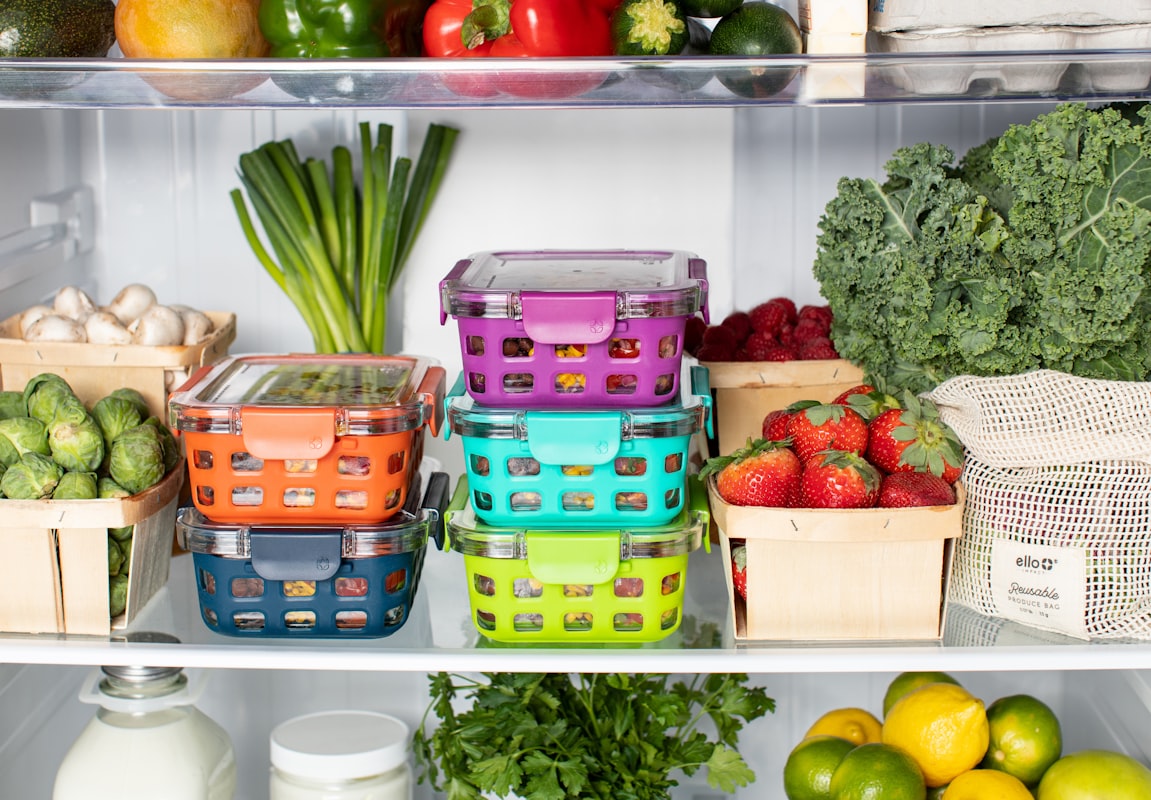
Use appropriate storage containers that maintain food quality while preventing contamination. Label everything with preparation dates. Arrange your refrigerator so prepared foods are visible and accessible. Learn which components store best together and which need separate storage to maintain optimal freshness and texture.
Assemble and Enjoy with Intention
Throughout the week, combine your prepared components into balanced meals. Take time to plate thoughtfully and eat without distractions when possible. Notice how you feel, what combinations you prefer, and adjust future prep sessions based on your experience. This feedback loop continuously improves your personal system.
Key Features Comparison
| Meal Prep Aspect | Traditional Cooking | Strategic Meal Prep |
|---|---|---|
| Ingredient Control | Limited—reactive to available options | Complete—intentional selection of quality whole foods |
| Time Investment | Daily cooking and decision-making | Concentrated weekly prep saves 5–7 hours during week |
| Nutritional Consistency | Highly variable depending on mood and circumstances | Stable—balanced meals built on consistent framework |
| Decision Fatigue | High—"What's for dinner?" daily stress | Minimal—meals predetermined and ready |
| Cost Efficiency | Often higher—impulse purchases and dining out | Lower—bulk buying and minimal waste |
| Food Variety | Can be limited by cooking energy | Broad—modular components allow endless combinations |
Essential Prep Categories Explained
Effective meal preparation focuses on five core categories that work together seamlessly. Understanding each category and how to prepare components within it creates flexibility throughout your week.
- ✓ Proteins: Prepared chicken, fish, eggs, legumes—the foundation of satiation
- ✓ Vegetables: Roasted, steamed, or raw components that provide micronutrients and fiber
- ✓ Whole Grains: Cooked rice, quinoa, oats—sustained energy sources
- ✓ Healthy Fats: Oils, nuts, seeds—support nutrient absorption and satisfaction
- ✓ Flavor Bases: Sauces, dressings, seasonings—transform components into enjoyable meals
Real Meal Prep Transformations
Kitchen Transformation
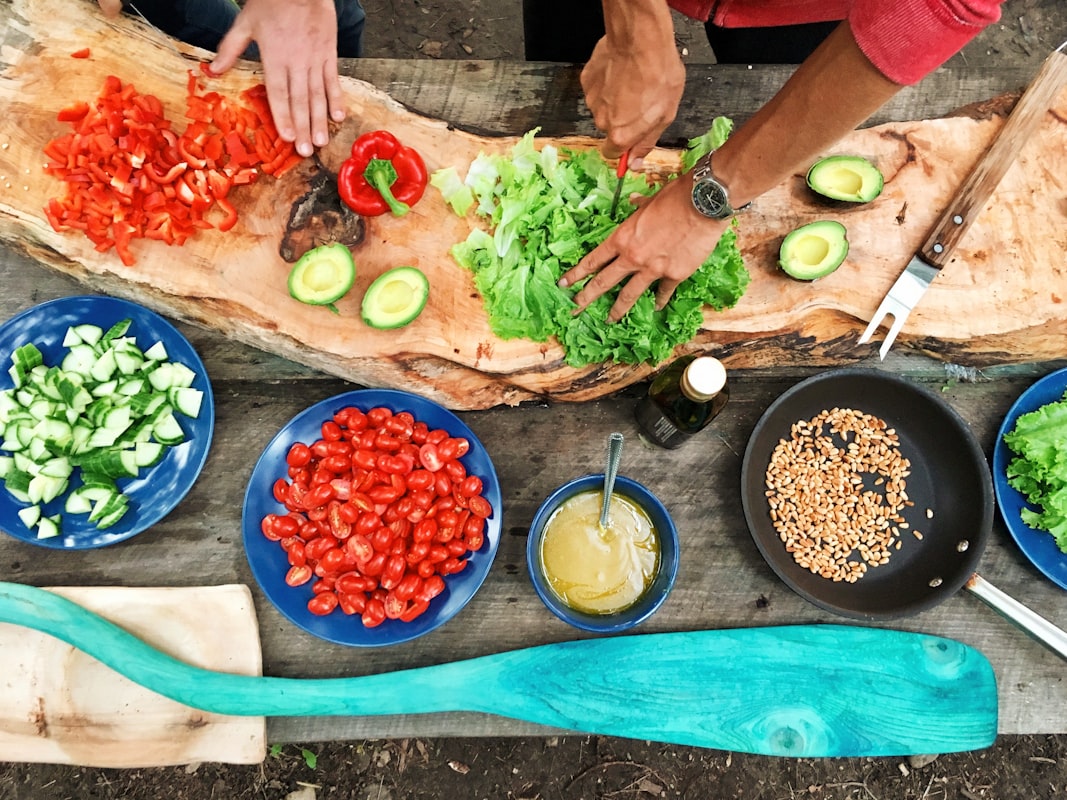
Marcus reorganized his kitchen with intentional storage solutions, creating designated zones for each prep category. What took 90 minutes now takes 45 minutes, with improved consistency and significantly less stress during the week.
Energy and Consistency
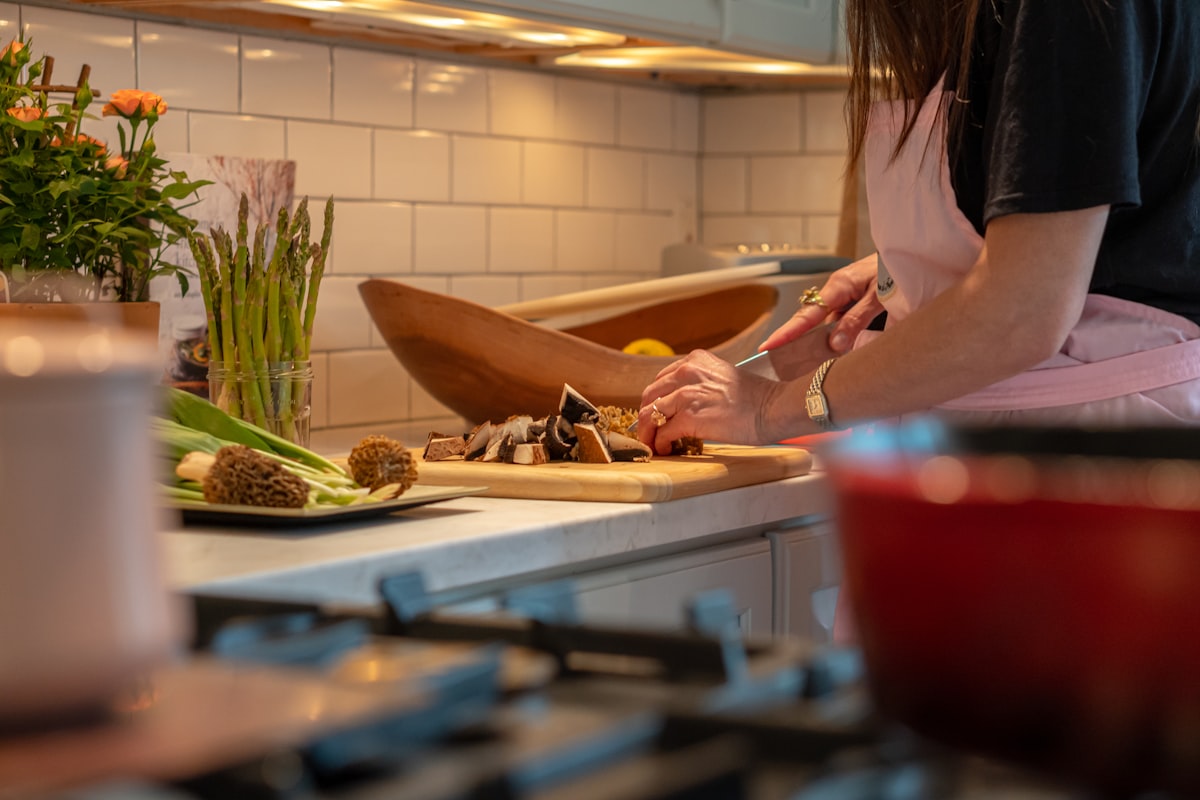
Sarah implemented the five-step framework and reports more stable energy throughout her day. By preparing balanced component combinations, she eliminated midday crashes and the decision fatigue that previously led to unintended food choices.
Flavor and Variety Mastery
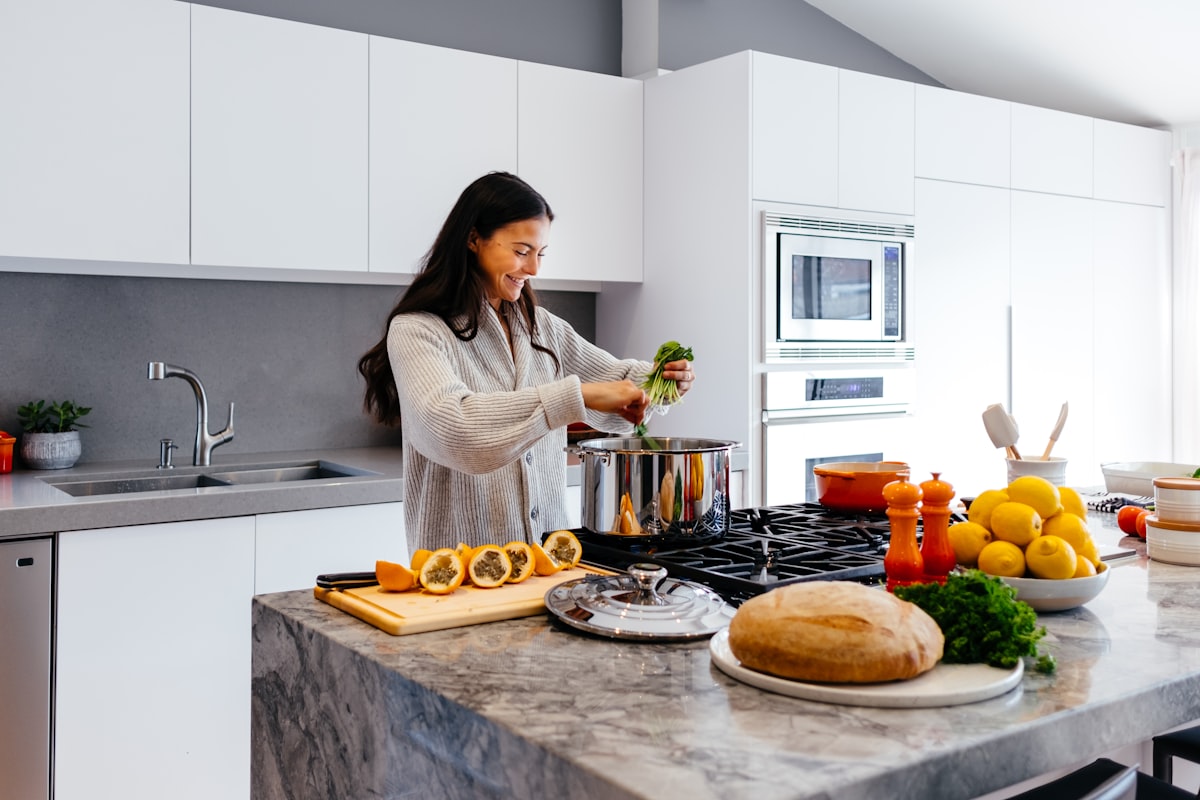
Jason worried that meal prep meant eating the same thing all week. By mastering flavor bases and component combinations, he now enjoys more dietary variety than he ever experienced before—all through strategic preparation.
Intentional Ingredient Choices
Elena focused on understanding her ingredients deeply. By shopping seasonally and learning proper storage, she cut food waste by 70% while improving nutritional density. Her grocery budget is lower, but ingredient quality is significantly higher.
Common Questions About Meal Prep Mastery
Q: How long does meal prep actually take?
Most people complete a comprehensive weekly prep session in 2–3 hours once they develop efficiency. This concentrated time investment saves 5–7 hours during the week by eliminating daily cooking and decision-making. Many practitioners find the process meditative and enjoyable once systems are established.
Q: Can meal prep work for varied dietary preferences?
Absolutely. The modular component approach adapts to any dietary philosophy. Vegetarians prepare legumes and vegetables; those preferring lower carbohydrates adjust grain portions; people with various food preferences simply adjust their component selections while maintaining the structural framework.
Q: Does meal prep reduce eating enjoyment or feel monotonous?
The opposite is often true. By mastering flavor bases, seasonings, and preparation techniques, people discover they enjoy their food more deeply. The components approach allows endless combinations—eating the same prepared items never means eating the same meals.
Q: What equipment is actually necessary for meal prep?
Basic tools suffice—a quality knife, cutting board, sheet pan, mixing bowls, and storage containers. More advanced equipment like food processors or pressure cookers accelerates prep but isn't required. Focus on developing technique first; equipment upgrades enhance efficiency later.
Q: How do I handle social eating and flexibility with meal prep?
Meal prep provides structure but shouldn't eliminate flexibility. Prepare enough for your typical week, but leave room for social meals and spontaneous dining. Having prepared meals available actually makes it easier to enjoy special occasions without stress about other meals.
Q: Where should I start if I'm completely new to meal prep?
Begin with one prep day weekly and prepare 3 components—one protein, one vegetable, one grain. Assemble these into 4–5 simple meals. As confidence builds, expand to more components and combinations. Complexity develops naturally through repetition and experience.
Get Exclusive Meal Prep Insights
Subscribe to our editorial content for advanced strategies, seasonal ingredient guides, and detailed recipes delivered to your inbox.
We respect your privacy. Unsubscribe anytime.
Start Your Meal Prep Mastery Journey
Explore our comprehensive article collection and recipe guides to build your personal meal prep system. From foundational concepts to advanced techniques, our editorial content supports every step of your wellness journey.